
Are Dehydrated Products Good or Bad for Health? Full Analysis
Published 7 September 2026 · Updated 16 July 2026 · By Dehydrated Veg
Table of Contents
- Health Benefits:
- Precaution:
- Shelf Life:
- B2B Sourcing Information - Dehydrated Vegetables
- Frequently Asked Questions
- Are dehydrated vegetables healthy?
- What precautions should I know about dehydrated vegetables?
- What is the shelf life of dehydrated vegetable products?
- Does Dehydrated Veg add sulphur dioxide or preservatives to its products?
- Article By Dehydrated Veg
- You may also like
- Discuss about post
Dehydrated vegetables carry a hard texture and wrinkled form that may not be their most appealing feature, but they are a safe, low-fat, long-shelf-life way to preserve vegetable nutrition and help meet daily vegetable intake targets. This balanced analysis covers the health benefits, precautions to be aware of, and shelf life of dehydrated vegetable products, for buyers evaluating them as a nutritional and commercial choice.
Dehydrated vegetables may not be your first choice of vegetables, with their hard texture and wrinkled form. But, dehydrated vegetables are safe with low-fat and there are long-lasting methods of preserving them. And, their nutritional content is preserved, as it is that it helps to meet your daily, fresh vegetable intake of 2 to 3 cups of vegetables per day.
Health Benefits:
-
Removing the moisture content, dehydrated products retain 100 percent of the calorie content of fresh vegetables.
-
When you need quick energy, the dehydrated vegetables are impeccable with the calorie, nutrient, and sugar content thus becoming much more concentrated.
-
Dehydrated vegetables contain no sort of additional requirements other than the ingredient that is the vegetable you’re drying.
-
Though it is a hundred percent natural it retains all its minerals, iron and fibre content of the fruit as a whole, and the nutritional content of the vegetables isn’t lost.
-
Dietary fibre is generally associated with supporting digestive health.
-
Dried Vegetables are typically high in fibre, both soluble and insoluble; the former helps create soft bulk, while the later helps speed up the passage of waste through your bowels.
-
Dietary fibre also provides bulk to your diet and can help reduce the effects of constipation. Dehydrated vegetables don’t contain fat, cholesterol or sodium.
-
Vitamin A is fairly well-preserved and antioxidant properties are raised despite the heat exposure, if the temperature is kept under control.
-
Through the dehydration process, a simple vegetable is transformed into not only a delicious snack but one that is healthy too.
-
It is a healthy alternative to junk food, and they contain no additives or preservatives.
Dehydrated Veg is one of the best manufacturers and suppliers of dehydrated vegetable powder
Precaution:
-
Dry vegetables may lose various nutrients such as carotenes and Vitamin C that are sensitive to heat.
-
B-vitamins are slightly reduced, and minerals are lost only if you hydrate the vegetables and discard the soaking fluid.
-
They also tend to be salt that is not people with high blood pressure, as it can cause various heart diseases.
-
when people are dieting, any dehydrated vegetable isn’t a healthy alternative to sweets. But, it only adds more calories.
-
Most of them contain added sugars, sulphur dioxide and trans-fat all of which can be harmful to your body.
-
Sulphur dioxide is, sometimes, added to dehydrated vegetables, so that it doesn’t discolour when exposed to the sun.
-
Sulphur dioxide can cause various ailments such as asthma, skin rashes and stomach pains.
Shelf Life:
Dehydrated products/dehydrated vegetables powder generally has a shelf life of one to two years and might last longer in a dry climate, they would last longer. And, good packing and proper storage of the vegetables help extend their shelf life.
B2B Sourcing Information - Dehydrated Vegetables
-
Minimum Order Quantity: 25kg for a trial order, 100kg+ for bulk and export orders
-
Certifications: FSSAI Approved | ISO Certified | Halal | Kosher | Spices Board of India | APEDA Registered | FIEO Member
-
Sampling: Free samples available - contact our export team
-
Additive-Free: Produced without added preservatives or sulphur dioxide
Request Free Sample Get Bulk Quote & Full Specs [Talk to Our Export Team](https://wa.me/919944088168?text=Hello! I am interested in dehydrated vegetables from your website www.dehydratedveg.com.)
Frequently Asked Questions
Are dehydrated vegetables healthy?
Dehydrated vegetables retain most of their nutritional content, are typically high in fibre, and contain no fat, cholesterol or sodium when produced without additives - a reasonable way to meet daily vegetable intake.
What precautions should I know about dehydrated vegetables?
Some heat-sensitive nutrients like Vitamin C can reduce slightly during drying, and products with added sulphur dioxide (used to prevent discolouration) may not suit sulphite-sensitive individuals. Choosing additive-free dehydrated vegetables avoids this.
What is the shelf life of dehydrated vegetable products?
Generally 1-2 years, potentially longer in a dry climate, with good packaging and proper storage extending shelf life further.
Does Dehydrated Veg add sulphur dioxide or preservatives to its products?
Dehydrated Veg’s dehydrated vegetables are produced without added preservatives - contact our team for the specific additive-free specification of any product.
For More about our product Visit: www.dehydratedveg.com Get the price quote and raise the samples by enquiring us at [email protected]
Article By Dehydrated Veg
Dehydrated Veg can supply 100% natural vegetable powders at the best price in the market. Our high-quality manufacturing techniques retain all the nutritional benefits of fresh vegetables.
You may also like
Best Guide on Dehydrated vegetables 2019
Discuss about post
Please enable JavaScript to view the comments powered by Disqus.
FAQs
Are dehydrated vegetables healthy?
Dehydrated vegetables retain most of their nutritional content, are typically high in fibre, and contain no fat, cholesterol or sodium when produced without additives - a reasonable way to meet daily vegetable intake.
What precautions should I know about dehydrated vegetables?
Some heat-sensitive nutrients like Vitamin C can reduce slightly during drying, and products with added sulphur dioxide (used to prevent discolouration) may not suit sulphite-sensitive individuals. Choosing additive-free dehydrated vegetables avoids this.
What is the shelf life of dehydrated vegetable products?
Generally 1-2 years, potentially longer in a dry climate, with good packaging and proper storage extending shelf life further.
Does Dehydrated Veg add sulphur dioxide or preservatives to its products?
Dehydrated Veg's dehydrated vegetables are produced without added preservatives - contact our team for the specific additive-free specification of any product.
Related Products
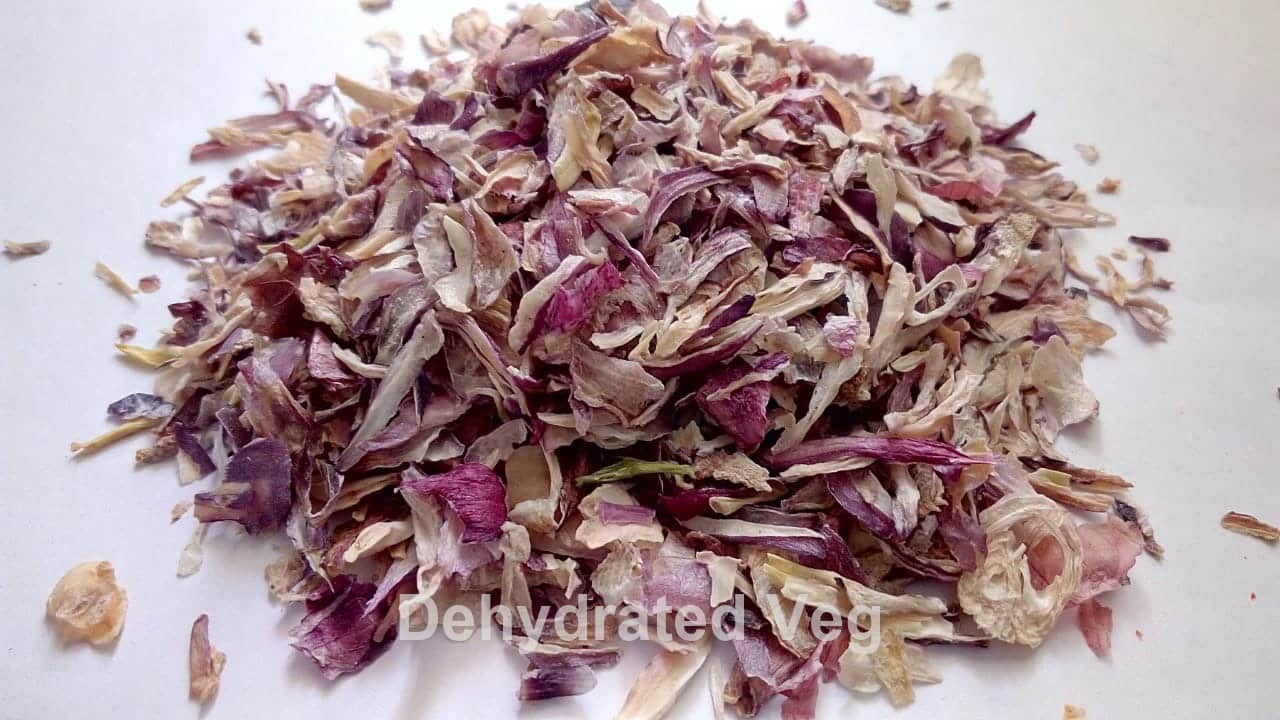
Dehydrated Onion Flakes & Powder
Bulk onion flakes & powder from Dehydrated Veg, India. MOQ 25kgs, 12 Months shelf life. Request a free sample or quote.
View specifications →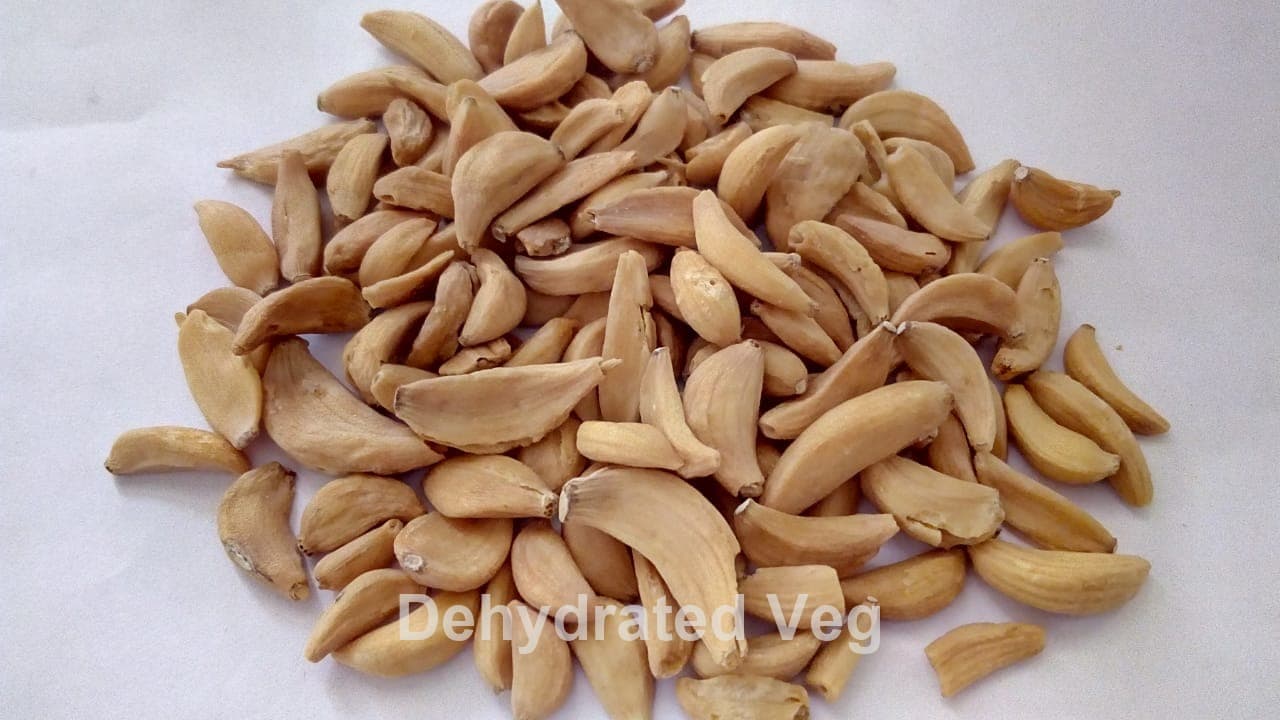
Dehydrated Garlic Flakes & Powder
Dehydrated Garlic Flakes and Powder for bulk and export buyers. Forms: Flakes, Powder, Chopped, Minced, Granules. MOQ 25kg, 12-month shelf life, custom mesh sizes available.
View specifications →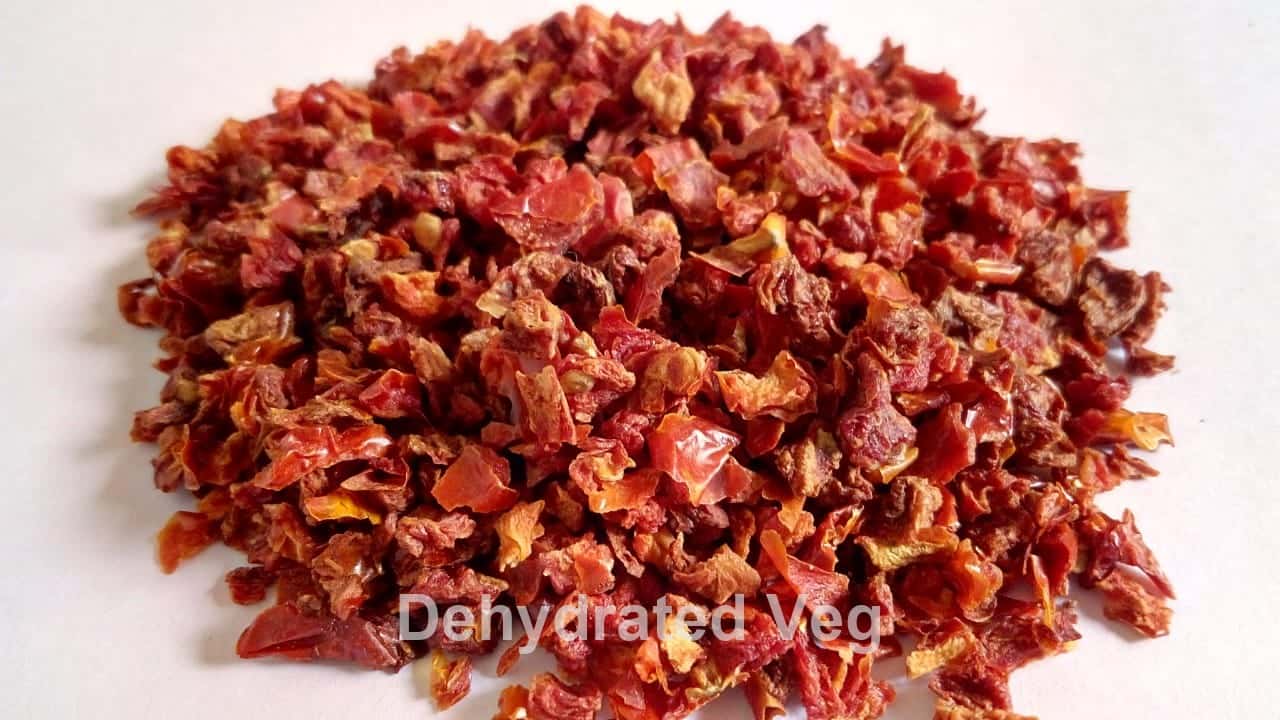
Dehydrated Tomato Flakes & Powder
Bulk tomato flakes & powder from Dehydrated Veg, India. MOQ 25 kg (trial order), 12 months shelf life. Request a free sample or quote.
View specifications →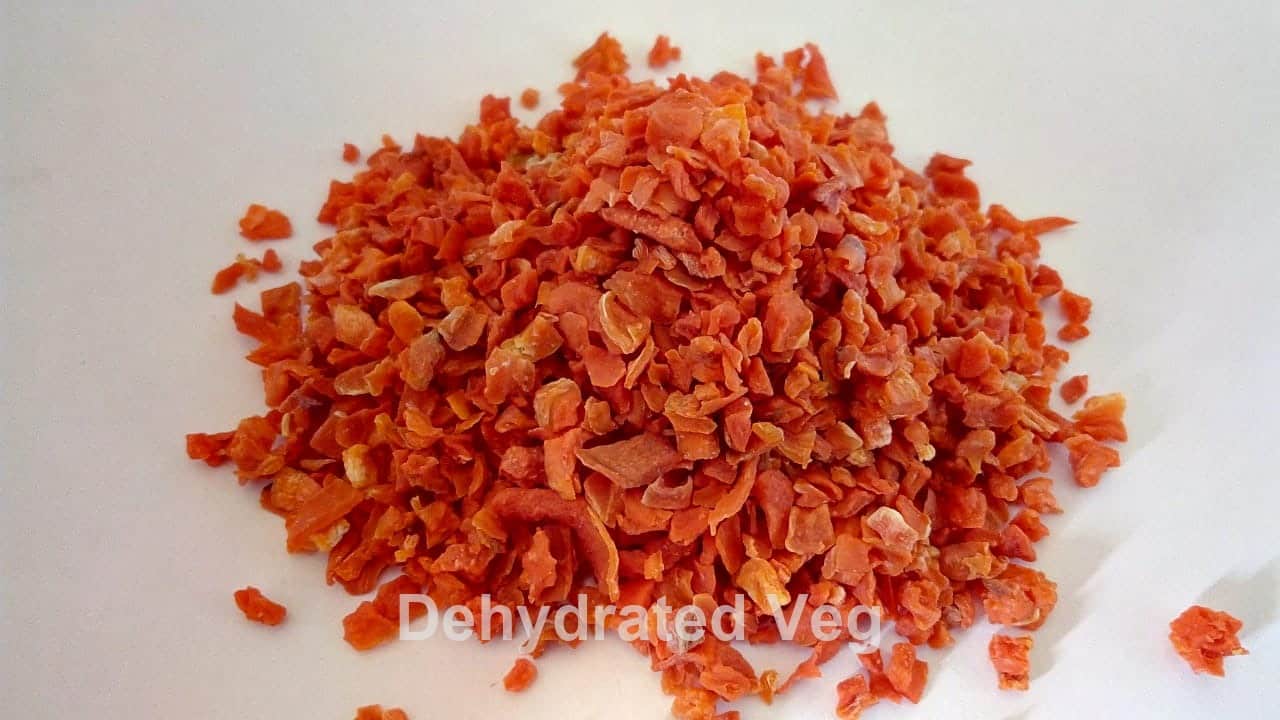
Dehydrated Carrot Flakes & Powder
Bulk carrot flakes & powder from Dehydrated Veg, India. MOQ 25kgs, 12 Months shelf life. Request a free sample or quote.
View specifications →