
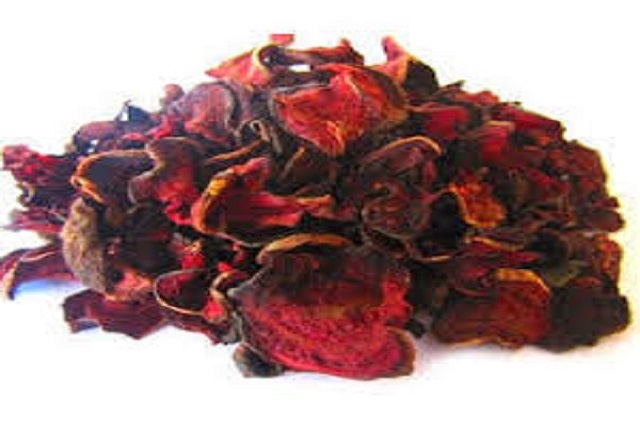
Product Name: Dehydrated Beetroot Flakes & Powder
Forms Offered: Powder, Flakes
Shelf Life: 12 months
| Forms Available | Powder, Flakes |
|---|---|
| Raw Material | Fresh Beetroot |
| Particle Size | Flakes size depends on customer requirement |
| Colour, Taste & Aroma | Natural Reddish in Colour, Pure Natural Taste of Beetroot & Typical of Beetroot; No off Smell |
| Application | Soup powders, pharma, sauces, smoothies, health supplements, baked foods, Spice Blends |
| Shelf Life | 12 months |
| Storage | Store in a cool & dry place & should be kept in a closed warehouse, protected humidity & dust |
| Packaging | PP bag followed by HDPE bags. 25 Kgs |
| Minimum Order Quantity | 25 kgs |
| Lead Time | Immediate dispatch |
| HS code | 0712.90 |
| Origin | India |
| Incoterms | FOB, CIF, CNF |
What forms and particle sizes of dehydrated beetroot does Dehydrated Veg offer?
Dehydrated Veg offers beetroot flakes and beetroot powder. We can also process to a custom mesh size on request.
What is the minimum order quantity (MOQ) for beetroot?
25 kg for a trial order. For bulk and export orders the typical minimum is 100 kg.
What is the shelf life of beetroot, and how should it be stored?
Beetroot flakes and powder carry a 12-month shelf life from date of manufacture. Store in a cool, dry place, protected from humidity and dust.
How does dehydrated beetroot compare to fresh beetroot in substitution ratio and flavour strength?
Dehydrated beetroot retains its natural reddish colour and pure beetroot taste through the hot-air drying process, with no synthetic colourants needed. We recommend requesting a free sample to test the exact rehydration ratio and flavour intensity for your specific formulation.
How fast can you ship beetroot samples and bulk orders?
Stock items typically ship the same day. Custom orders (specific particle size or packaging) usually take 2-3 working days.
Which industries use dehydrated beetroot, and what are its common applications?
Spice and rice blend manufacturing, instant soups and food premixes, salad dressings and sauces, canned and frozen foods, snack foods, natural colourant applications, and instant food products.
Do you provide quality certifications and a Certificate of Analysis (CoA) for dehydrated beetroot?
Yes, we provide a Certificate of Analysis (CoA) and relevant quality documentation on request with each batch, covering parameters such as moisture, ash content and microbial testing. Share your specific certification requirement (FSSAI, ISO, HACCP, etc.) with our team before or during sampling.
What is the HS code for exporting dehydrated beetroot?
Dehydrated beetroot is commonly classified under HS Code 0712.90 (dried vegetables, other) within Chapter 7 of the Harmonized System. Please confirm the exact sub-heading with your customs broker for your destination country.
Is Dehydrated Veg's beetroot safe for direct consumption?
Yes. Our beetroot flakes and powder are food-grade, FSSAI-approved consumable ingredients, manufactured and packed under hygienic, quality-controlled conditions for direct use in food formulations.
Does Dehydrated Veg send free samples to customers?
Yes, we provide free samples of up to 50g per product, for a maximum of 5 products per request.
Description
Published 9 July 2026
Dehydrated Beetroot Flakes & Powder
Beetroot’s colour is the whole story with this ingredient, and it’s also the hardest thing to protect through drying. The pigments responsible for that deep red — betalains — break down under excess heat and light faster than the colour compounds in most root vegetables, which is why we run beetroot through a lower, more tightly controlled drying temperature than carrot or onion get, and why pharmaceutical and nutraceutical buyers specify our beetroot powder as a natural red colourant rather than reaching for a synthetic dye.
Two Forms, Two Different Jobs
Flakes and powder are the only two forms we run for beetroot, and the choice usually comes down to what a buyer needs the colour to do. Powder disperses evenly through a liquid base — smoothies, sauces, health-supplement premixes — where an even red tint matters more than any visible piece. Flakes hold their shape and colour as a discrete piece, useful in baked goods and spice blends where a visible fleck is wanted rather than a uniform tint. Flake particle size is cut to order rather than run to a fixed spec, since bakery buyers and spice blenders tend to want different sizes.
Processing Notes
Fresh beetroot arrives, gets graded, then goes through washing, peeling and slicing before drying. Because beetroot carries more natural sugar than most of the roots we process, the slices are more prone to case-hardening — a hard, sealed outer surface that traps moisture inside — if the drying curve runs too hot or too fast. That’s the main reason beetroot gets its own drying schedule rather than sharing a generic root-vegetable cycle. Once dried, batches are sieved, metal-detected and packed the same day; beetroot picks up ambient moisture quickly given its sugar content, so we don’t hold dried batches in bulk before packing.
Where It’s Used
Soup powder and instant-food manufacturers use beetroot mainly for colour and body. Sauce and gravy producers use it the same way. In pharma and nutraceutical applications, beetroot powder functions as a natural colourant and nitrate source rather than a flavour ingredient — buyers in that segment typically want documentation on pigment concentration and microbial counts alongside the standard CoA. Bakery formulators use flakes or powder depending on whether they want a fleck or a tint in the finished product.
Specs at a Glance
Ships under HS Code 0712.90 from Chennai, Tuticorin or Nhava Sheva. MOQ is 25 kg for a trial order, packed in PP bags with an HDPE inner liner, 25 kg per bag. Shelf life runs 12 months from manufacture when stored in a cool, dry, closed warehouse away from humidity and dust. Lead time is immediate dispatch on stock; free samples are available up to 50g per product before you commit to a bulk order.
Why Buyers Choose Us
Related Products
Dehydrated Bitter Gourd Flakes & Powder
Bulk bitter gourd flakes & powder from Dehydrated Veg, India. MOQ 25 kg (trial order), 12 months shelf life. Request a free sample or quote.
View specifications →
Dehydrated Bottle Gourd Flakes & Powder
Bulk bottle gourd flakes & powder from Dehydrated Veg, India. MOQ 25 kg (trial order), 12 months shelf life. Request a free sample or quote.
View specifications →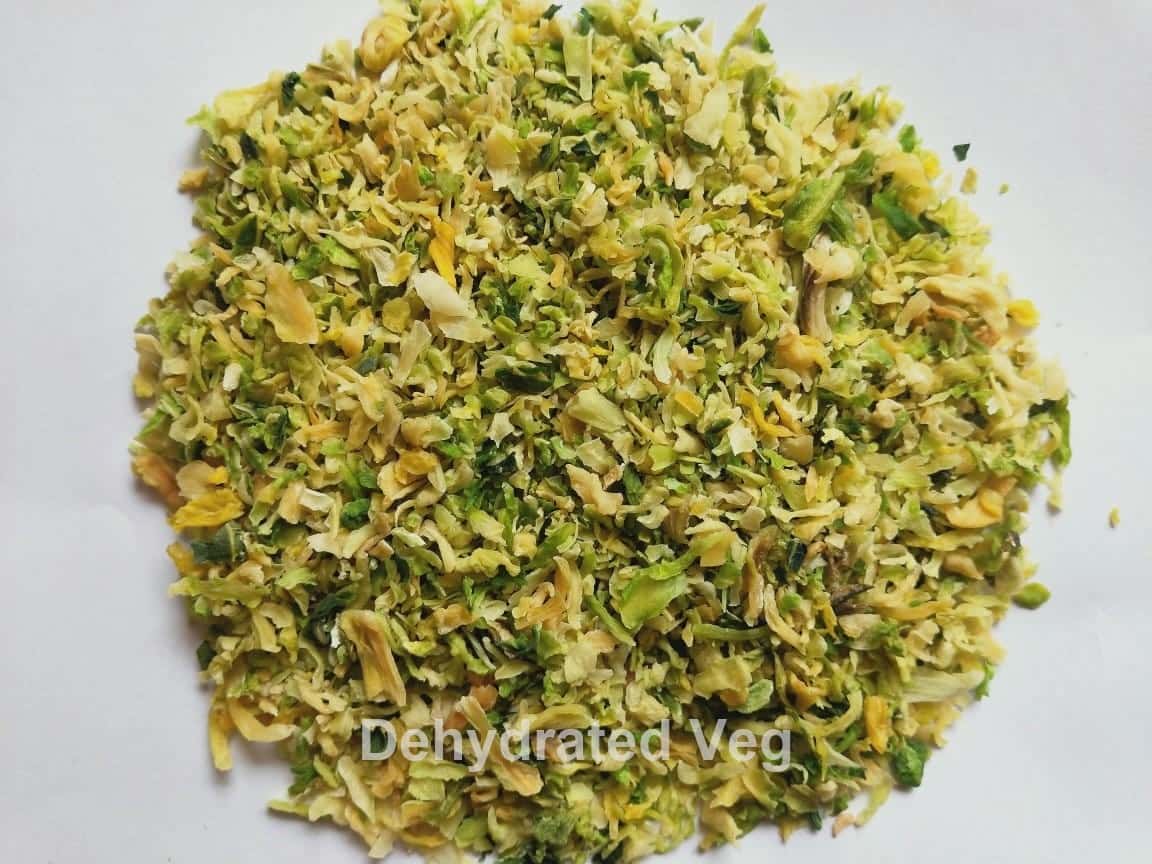
Dehydrated Cabbage Flakes & Powder
Bulk cabbage flakes & powder from Dehydrated Veg, India. MOQ 25 kg (trial order), 12 months shelf life. Request a free sample or quote.
View specifications →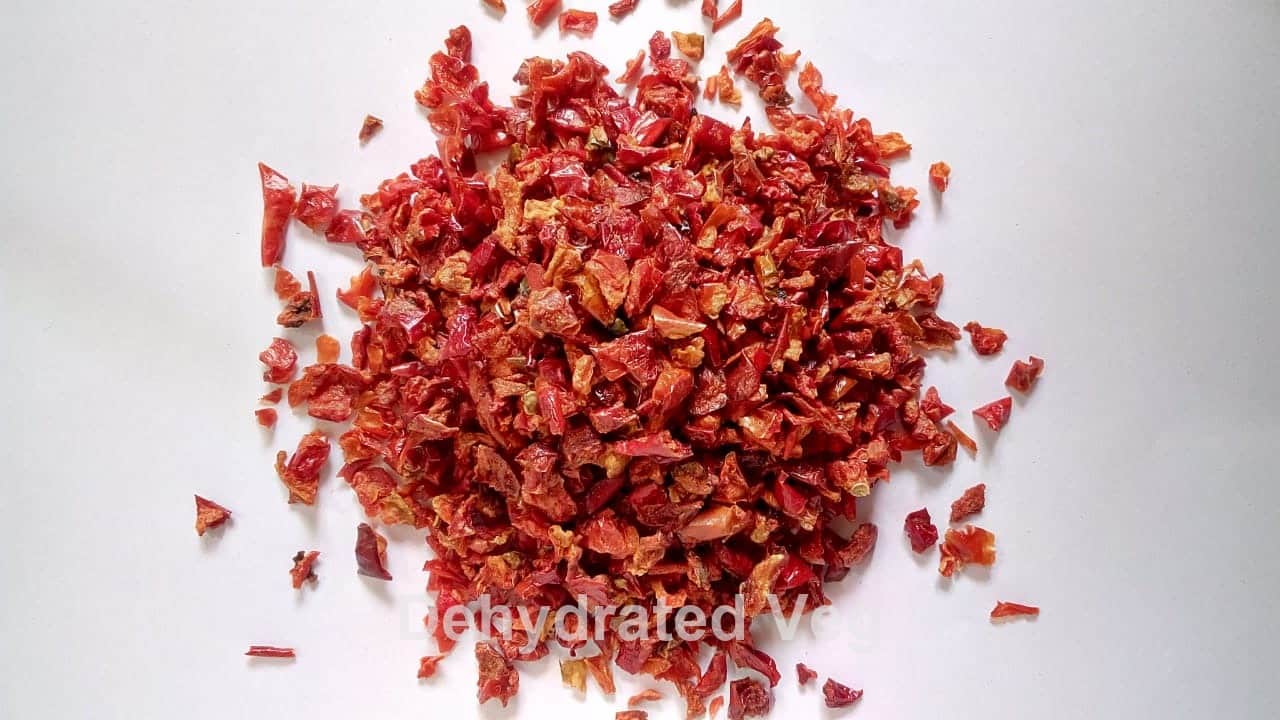
Dehydrated Capsicum Flakes & Powder
Bulk capsicum from Dehydrated Veg, India. Request a free sample or export quote.
View specifications →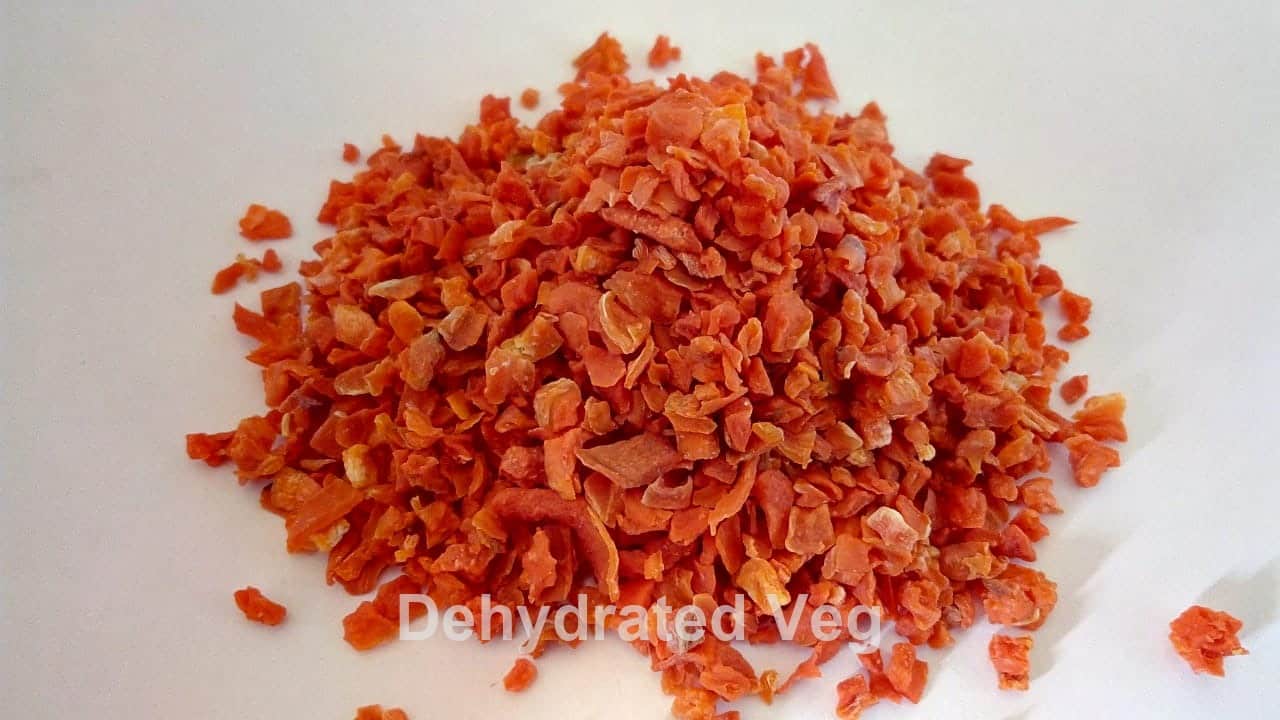
Dehydrated Carrot Flakes & Powder
Bulk carrot flakes & powder from Dehydrated Veg, India. MOQ 25kgs, 12 Months shelf life. Request a free sample or quote.
View specifications →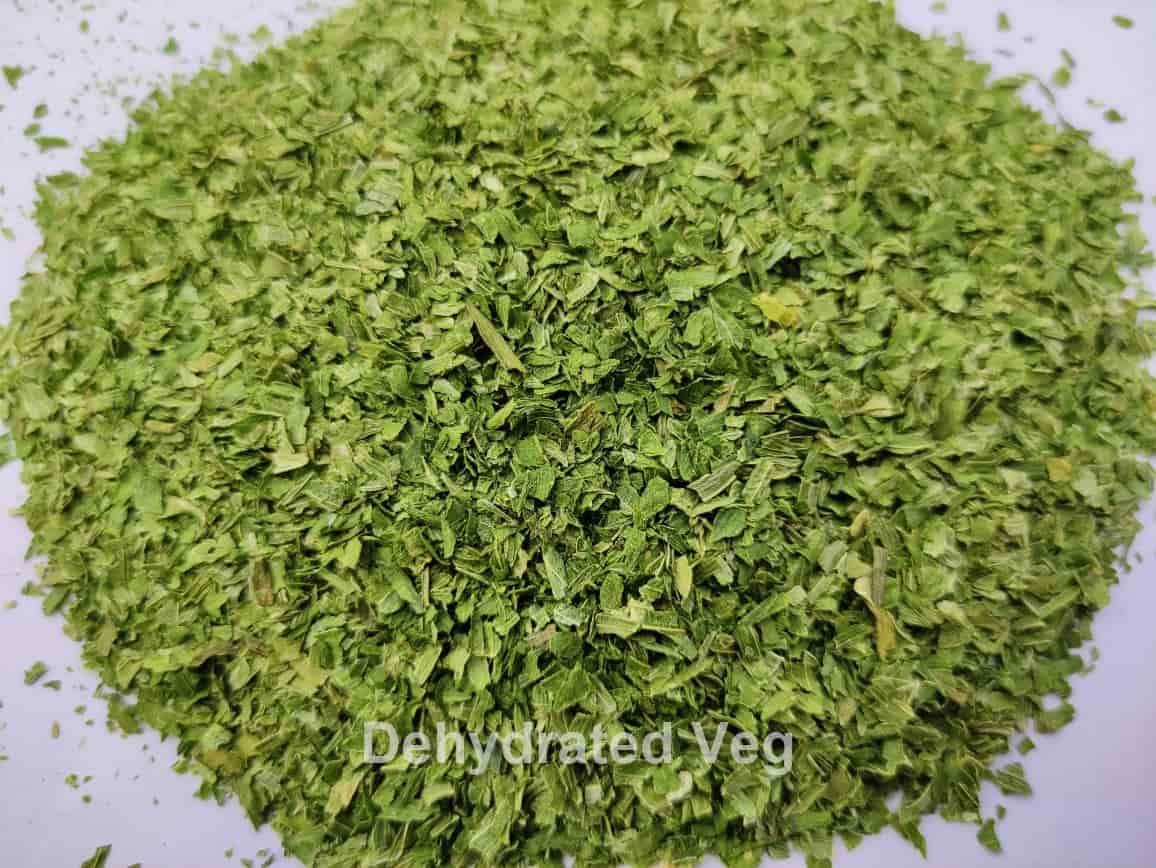
Dehydrated Chives Flakes
Dehydrated Chives Flakes (1-5mm) for bulk and export buyers. MOQ 25kg, 12-month shelf life, custom mesh sizes and private label available.
View specifications → Dehydrated Chives Flakes & Powder
Bulk chives flakes & powder from Dehydrated Veg, India. MOQ 25kgs, 12 Months shelf life. Request a free sample or quote.
View specifications →
Dehydrated Coriander Leaves & Powder
Bulk coriander flakes & powder from Dehydrated Veg, India. MOQ 25 kg (trial order), 12 months shelf life. Request a free sample or quote.
View specifications →
Dehydrated Curry Leaves & Powder
Bulk curry leaf flakes & powder from Dehydrated Veg, India. MOQ 25 kg (trial order), 12 months shelf life. Request a free sample or quote.
View specifications →
Dehydrated French Beans Flakes & Powder
Bulk french beans flakes & powder from Dehydrated Veg, India. MOQ 25kgs, 12 Months shelf life. Request a free sample or quote.
View specifications →
Dehydrated Garlic Flakes
Dehydrated Garlic Flakes (3-5mm) for bulk and export buyers. MOQ 25kg, 12-month shelf life, custom mesh sizes and private label available.
View specifications →
Dehydrated Garlic Flakes & Powder
Dehydrated Garlic Flakes and Powder for bulk and export buyers. Forms: Flakes, Powder, Chopped, Minced, Granules. MOQ 25kg, 12-month shelf life, custom mesh sizes and private label available.
View specifications →
Dehydrated Garlic Powder
Dehydrated Garlic Powder, finely ground, for bulk and export buyers. MOQ 25kg, 12-month shelf life, custom mesh sizes and private label available.
View specifications →
Dehydrated Ginger Flakes & Powder
Bulk ginger flakes & powder from Dehydrated Veg, India. MOQ 25 kg (trial order), 12 months shelf life. Request a free sample or quote.
View specifications →
Dehydrated Green Capsicum Flakes
Dehydrated Green Capsicum Flakes (Green) for bulk and export buyers. MOQ 25kg, 12-month shelf life, custom mesh sizes and private label available.
View specifications →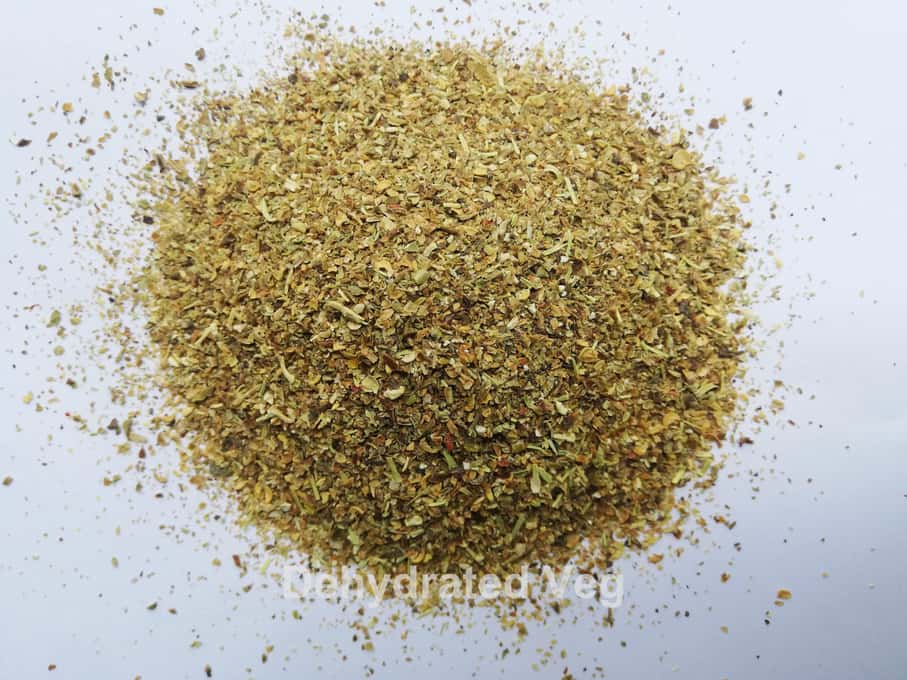
Dehydrated Green Chilli Flakes & Powder
Bulk green chilli flakes & powder from Dehydrated Veg, India. MOQ 25 kg (trial order), 12 months shelf life. Request a free sample or quote.
View specifications →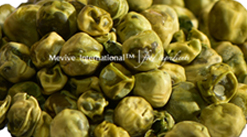
Dehydrated Green Peas
Bulk green peas flakes & powder from Dehydrated Veg, India. MOQ 25 kg (trial order), 12 months shelf life. Request a free sample or quote.
View specifications →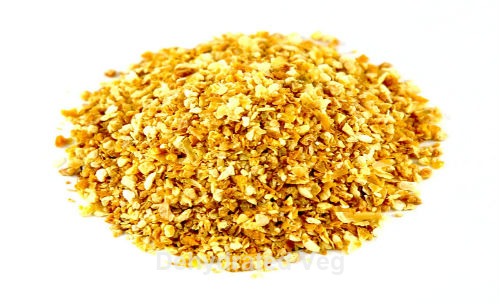
Dehydrated Lemon Flakes & Powder
Bulk lemon flakes & powder from Dehydrated Veg, India. MOQ 25 kg (trial order), 12 months shelf life. Request a free sample or quote.
View specifications →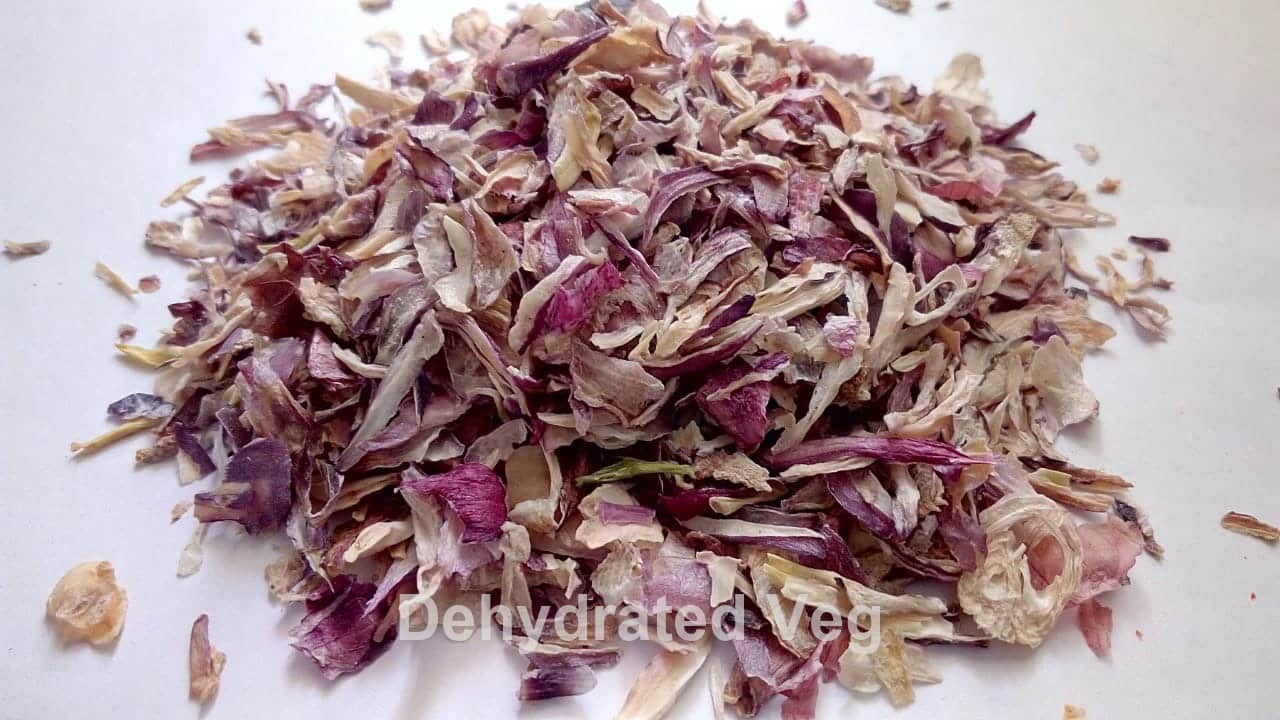
Dehydrated Onion Flakes & Powder
Bulk onion flakes & powder from Dehydrated Veg, India. MOQ 25kgs, 12 Months shelf life. Request a free sample or quote.
View specifications →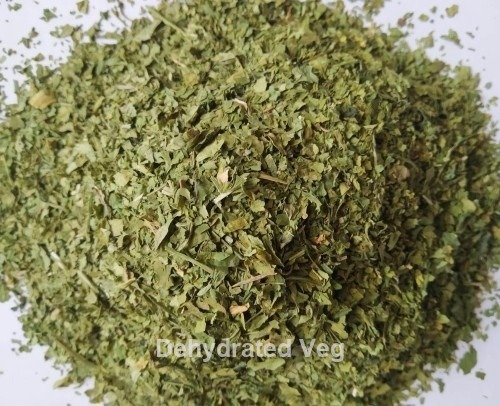
Dehydrated Parsley Flakes & Powder
Bulk parsley flakes & powder from Dehydrated Veg, India. MOQ 25 kg (trial order), 12 months shelf life. Request a free sample or quote.
View specifications →
Dehydrated Potato Flakes & Powder
Bulk potato flakes & powder from Dehydrated Veg, India. MOQ 25 kg (trial order), 12 months shelf life. Request a free sample or quote.
View specifications →
Dehydrated Raw Mango Powder (Amchoor)
Bulk amchoor flakes & powder from Dehydrated Veg, India. MOQ 25 kg (trial order), 12 months shelf life. Request a free sample or quote.
View specifications →
Dehydrated Red Capsicum Flakes
Dehydrated Red Capsicum Flakes (Red) for bulk and export buyers. MOQ 25kg, 12-month shelf life, custom mesh sizes and private label available.
View specifications → Dehydrated Red Onion Flakes
Dehydrated Red Onion Flakes (3-5mm) for bulk and export buyers. MOQ 25kg, 12-month shelf life, custom mesh sizes and private label available.
View specifications →
Dehydrated Red Onion Powder
Dehydrated Red Onion Powder (Fine ground) for bulk and export buyers. MOQ 25kg, 12-month shelf life, custom mesh sizes and private label available.
View specifications →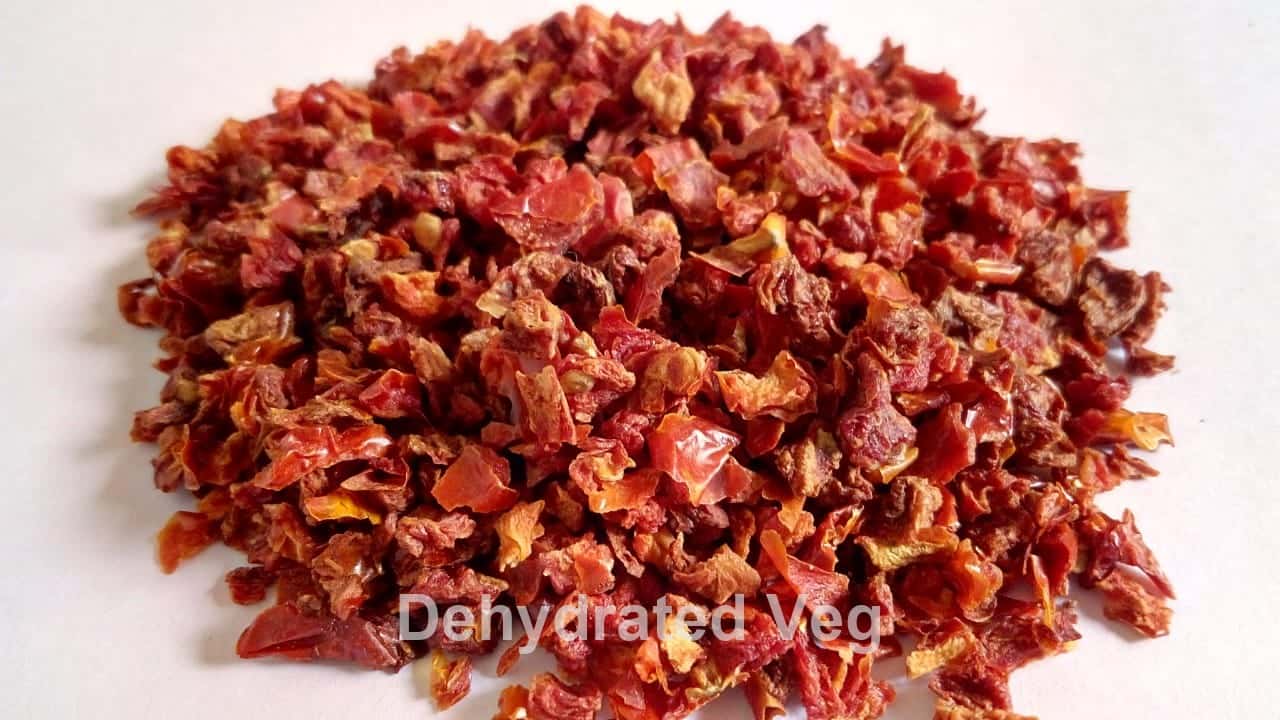
Dehydrated Tomato Flakes & Powder
Bulk tomato flakes & powder from Dehydrated Veg, India. MOQ 25 kg (trial order), 12 months shelf life. Request a free sample or quote.
View specifications →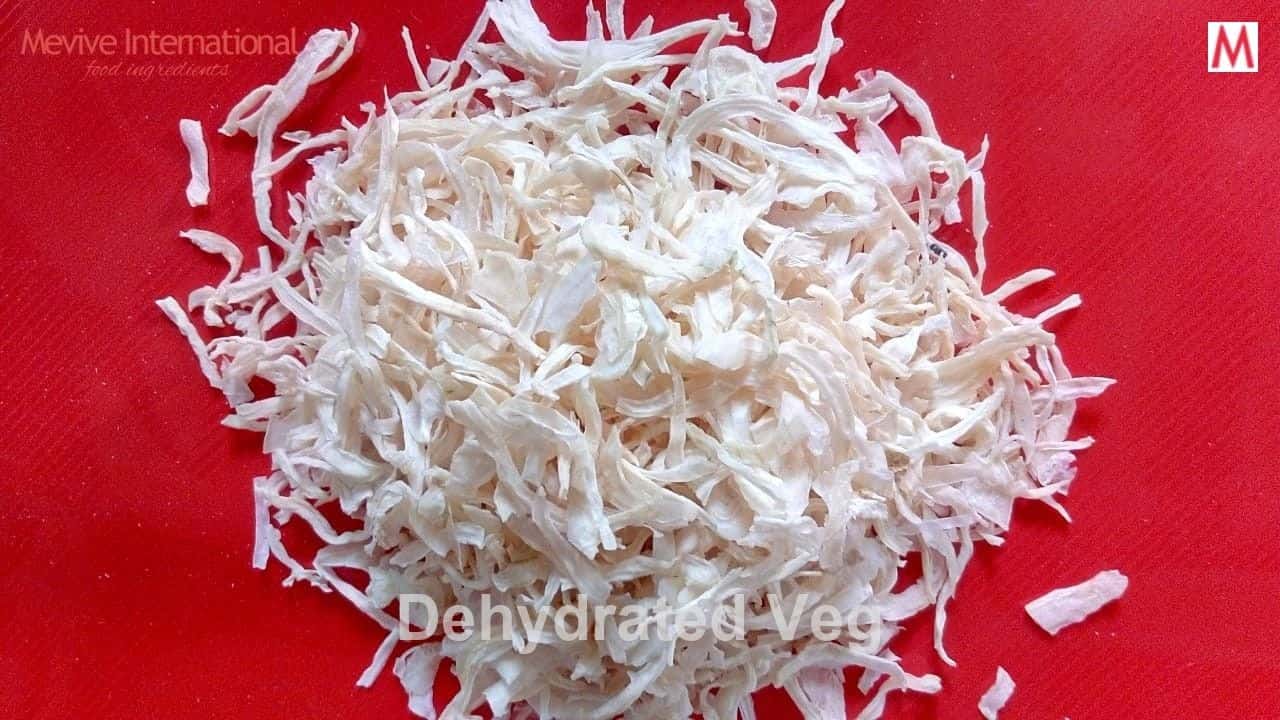
Dehydrated White Onion Flakes
Dehydrated White Onion Flakes (3-5mm) for bulk and export buyers. MOQ 25kg, 12-month shelf life, custom mesh sizes and private label available.
View specifications →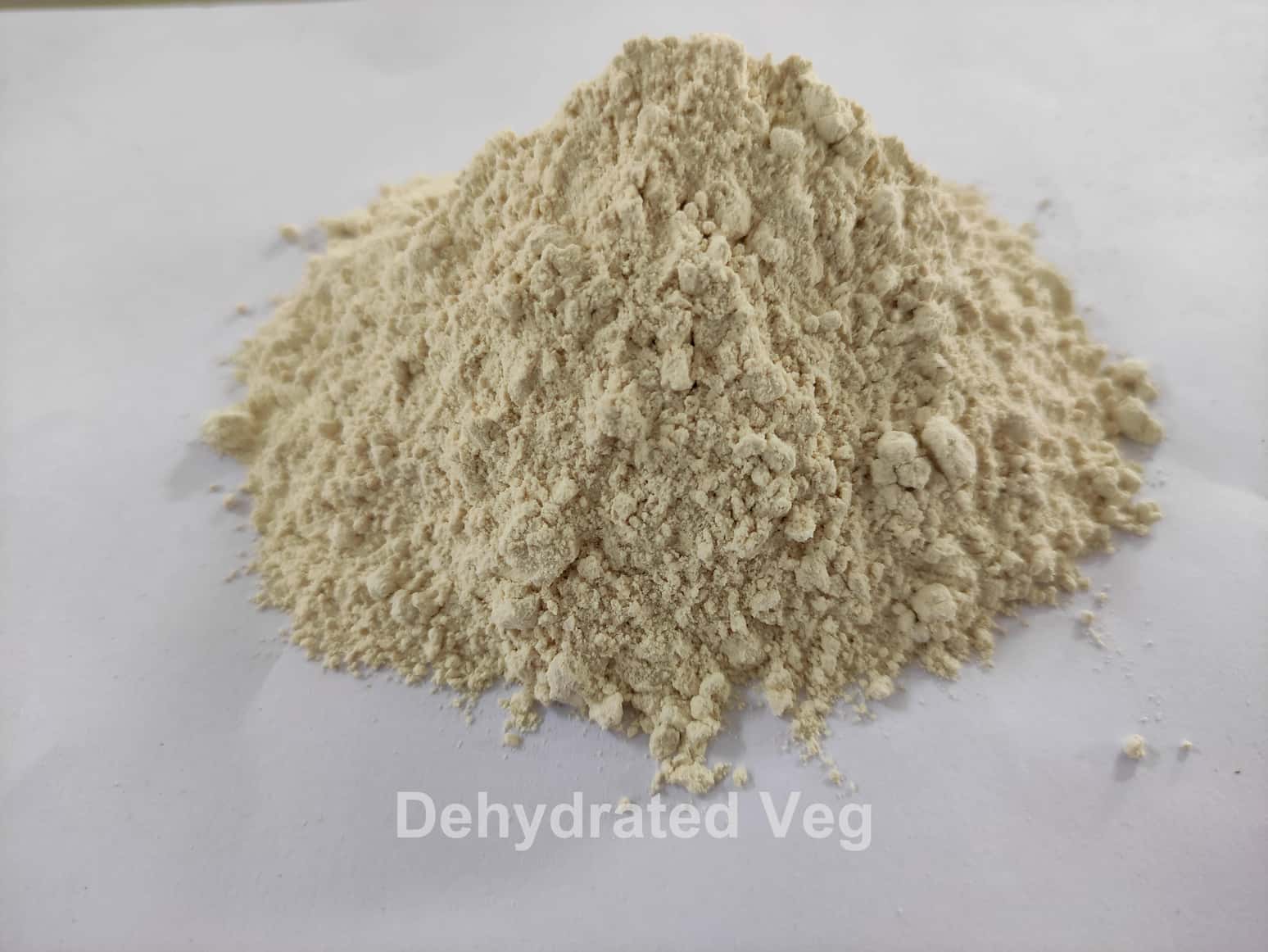
Dehydrated White Onion Powder
Dehydrated White Onion Powder (Fine ground) for bulk and export buyers. MOQ 25kg, 12-month shelf life, custom mesh sizes and private label available.
View specifications →